
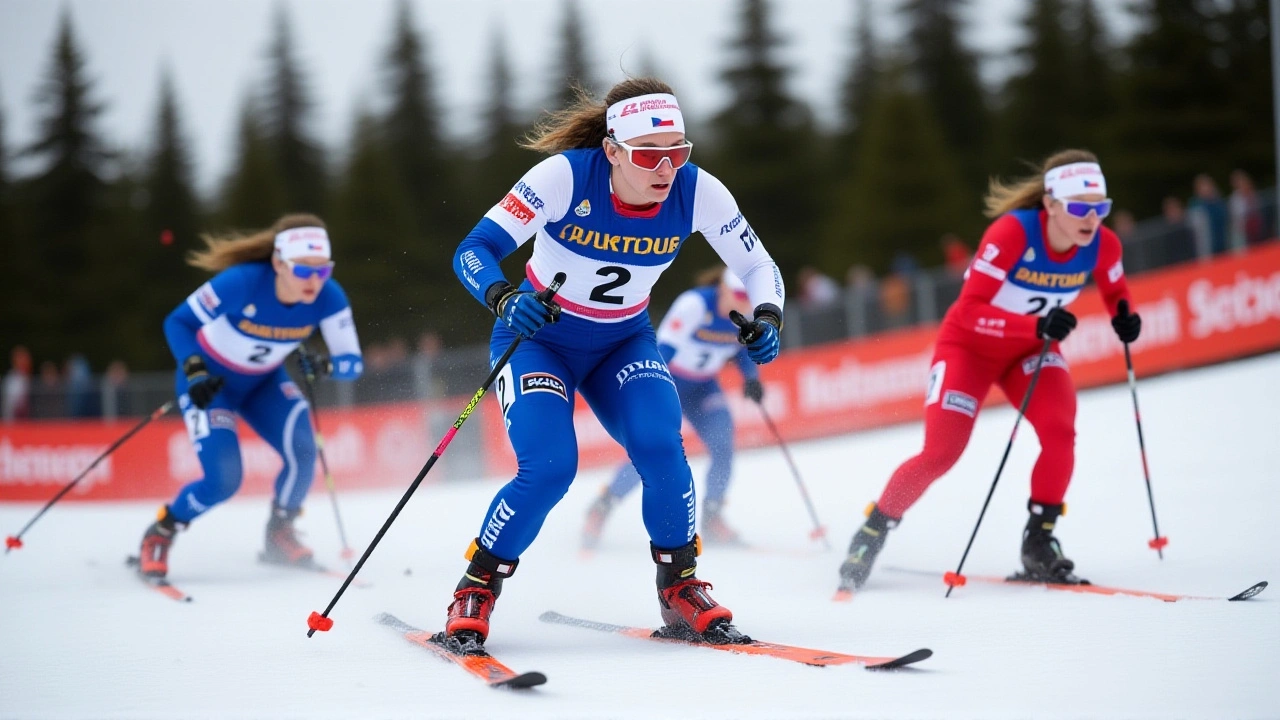
Franziska Preuss: Kdo je a proč o ní mluvíme v kontextu bezpečnosti a politiky

When talking about modern European security, you can’t ignore figures who shape decisions behind the scenes. Franziska Preuss, německá analytička a odbornice na bezpečnostní politiku, která působí v mezinárodních institucích a má vliv na strategické rozhodování NATO. Also known as specialistka na východní evropskou obranu, she’s not a politician, but her analysis shapes how governments respond to threats—from hybrid warfare to energy security. Her work connects directly to what’s happening in Prague, Ostrava, and across the Czech Republic, especially as NATO prepares for its next major summit.

Franziska Preuss doesn’t appear on TV often, but her reports are cited by ministers, generals, and defense committees. She focuses on how smaller NATO members like the Czech Republic can strengthen their role without relying on big powers. That’s why her insights matter here: when Zbyněk Stanjura debates arms deals, or when Baník Ostrava plays Sparta in a match that feels like a metaphor for national resilience, her ideas are quietly in the background. She argues that true security isn’t just about buying weapons—it’s about trust, coordination, and local expertise. That’s why her name pops up when Czech officials discuss joint training with Ukraine, or when they question whether foreign capital is truly serving national interests.

She also links to broader trends you see in these posts: the shift from old alliances to new partnerships, the tension between economic pragmatism and security needs, and how public opinion shapes defense policy. When Netflix loses subscribers because people want cheaper, local alternatives, it’s the same logic as when Czech voters demand transparent arms purchases instead of opaque deals. Franziska Preuss understands that public trust is the real defense line. And when you read about the 35th anniversary of the Berlin Wall’s fall, or the identification of Czechoslovak airmen shot down in 1941, her voice echoes in the background—reminding us that freedom isn’t guaranteed, it’s built.

Below you’ll find articles that touch on the same themes she works with: defense spending, political debates over security, international cooperation, and how everyday people in Czech towns are affected by decisions made in Brussels or Washington. Whether it’s about gas prices rising, a football match becoming a symbol of national pride, or a former president still influencing media narratives—everything ties back to the same question: How do we stay safe? Franziska Preuss doesn’t give easy answers. But she asks the right ones. And here, you’ll see how those questions play out in real life.